The Mother Engine
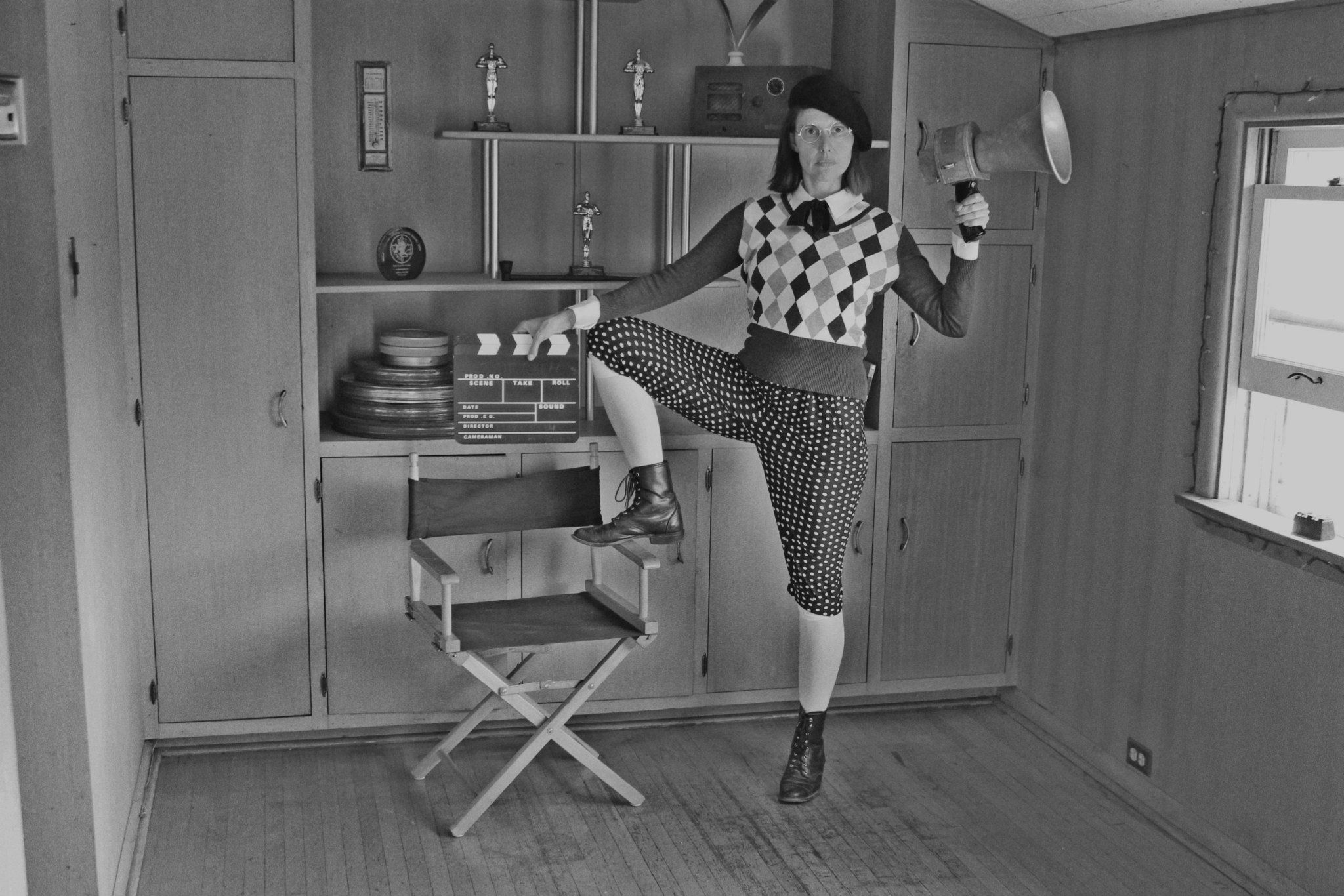
Haus of Dada is less a building than a breathing premise: a mother house, a mythic engine that births worlds. It is the place where time unravels into rooms filled with art, projection, scent, and ritual — the space that stitches history to imagination.
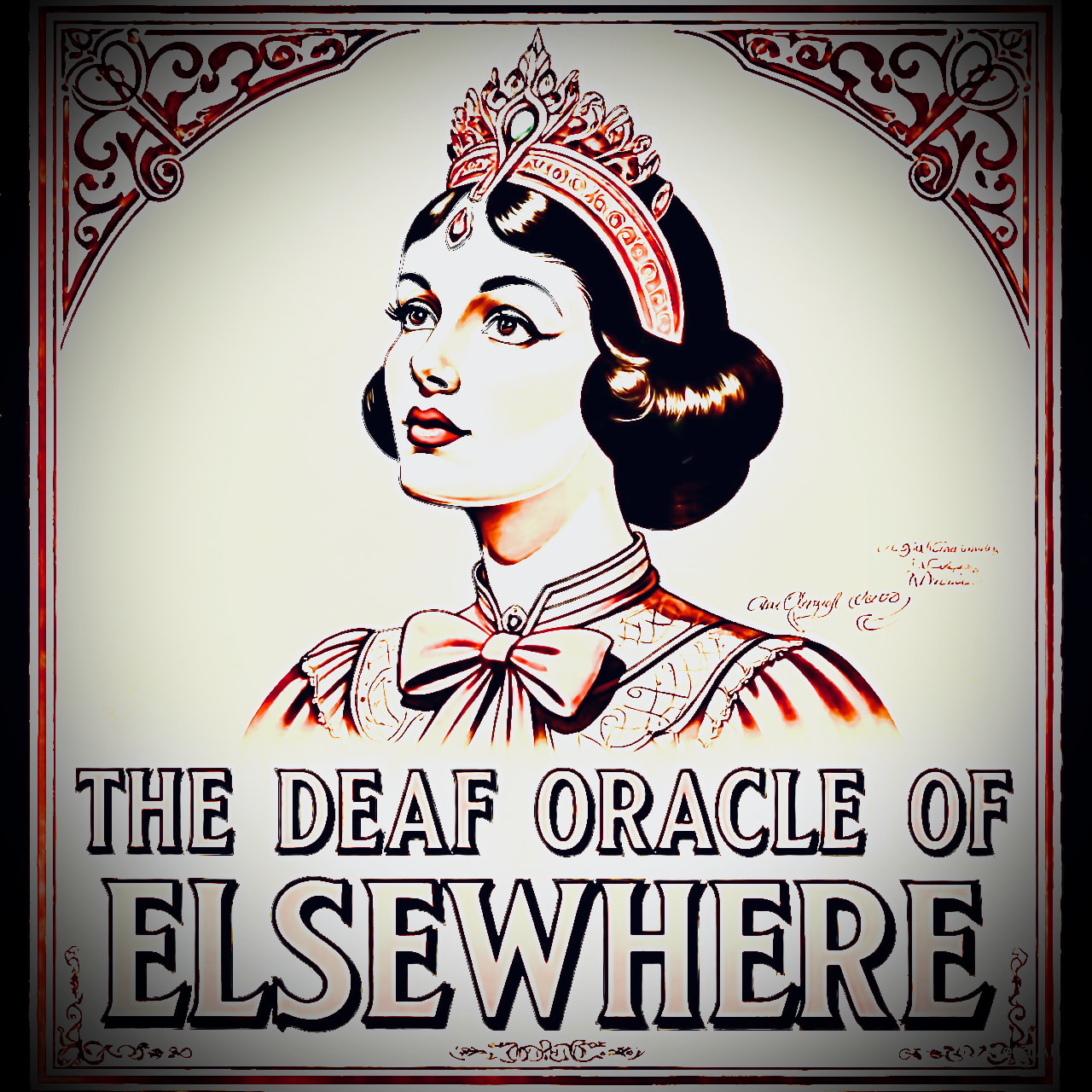
The Haus contains Mama Dada and Papa Dada as archetypes, archival ghosts and active performative forces. It holds The Übermarionette, The Dada Family Historian, and The Deaf Oracle (Sage Lovell) as conduits through which the present folds into elsewhere.
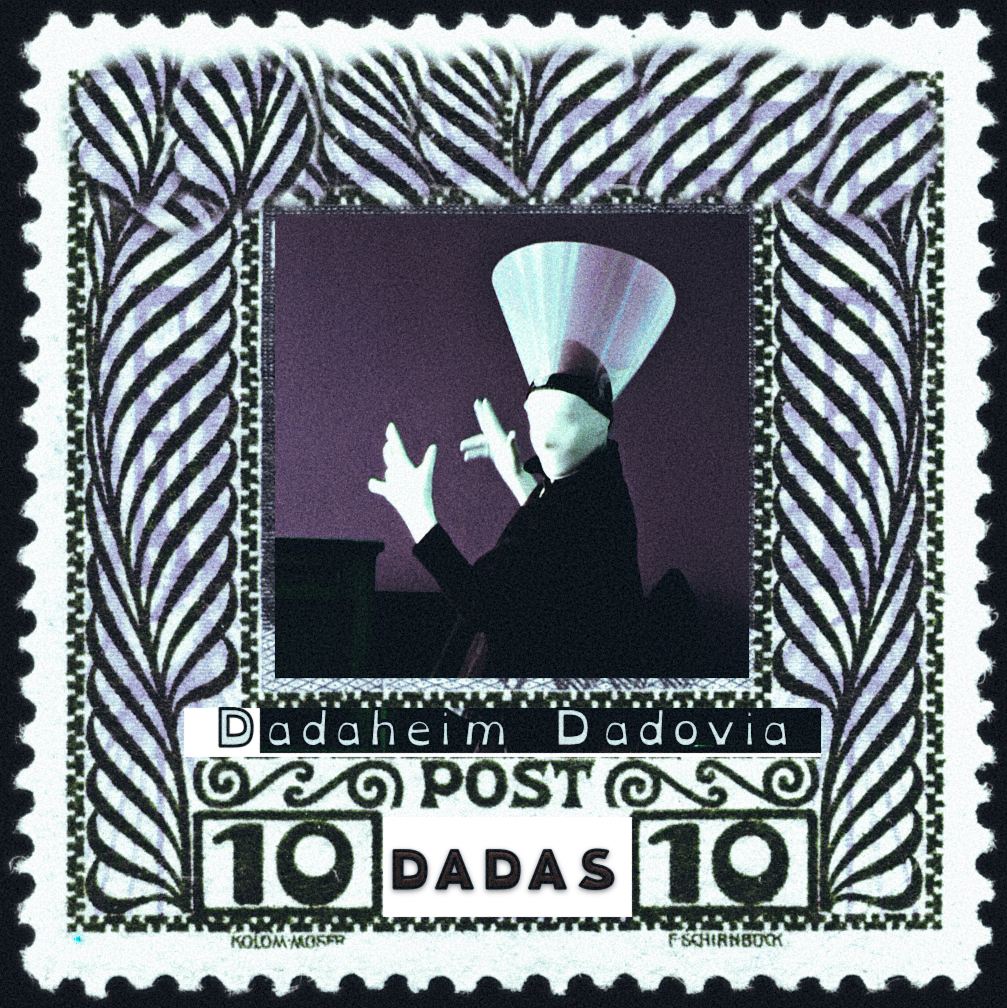
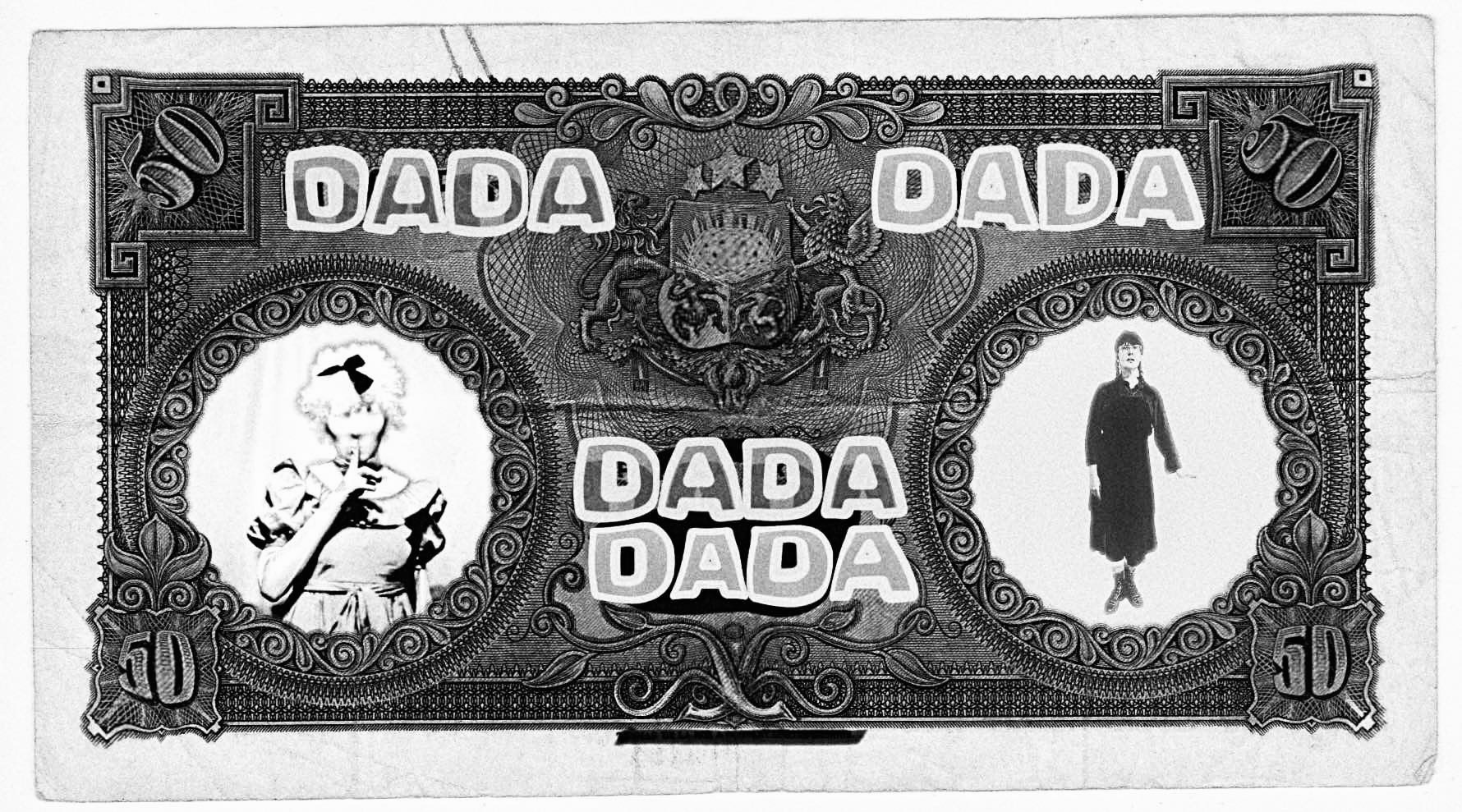
The Haus is an art studio and museum, a confabulated archive and a micronation — Dadovia, at 1 Herman Ave, Toronto — a playful civic realm complete with flag, stamps, currency, and its own mandate. It is also a physical restoration project since 2014, where past and present meet.
“The Haus practices realistic confabulation: the deliberate weaving of plausible impossibility.”
Film as Portal
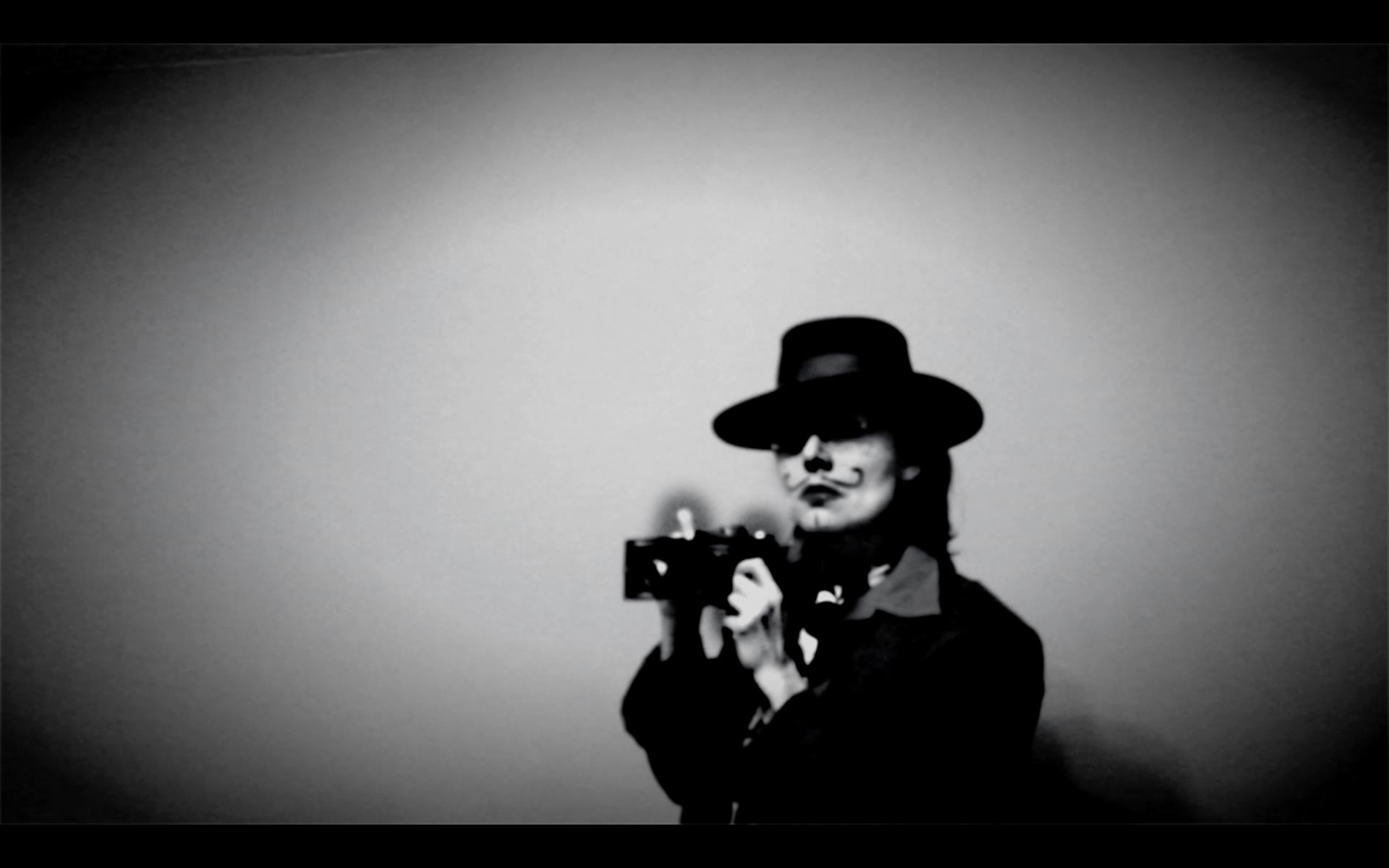
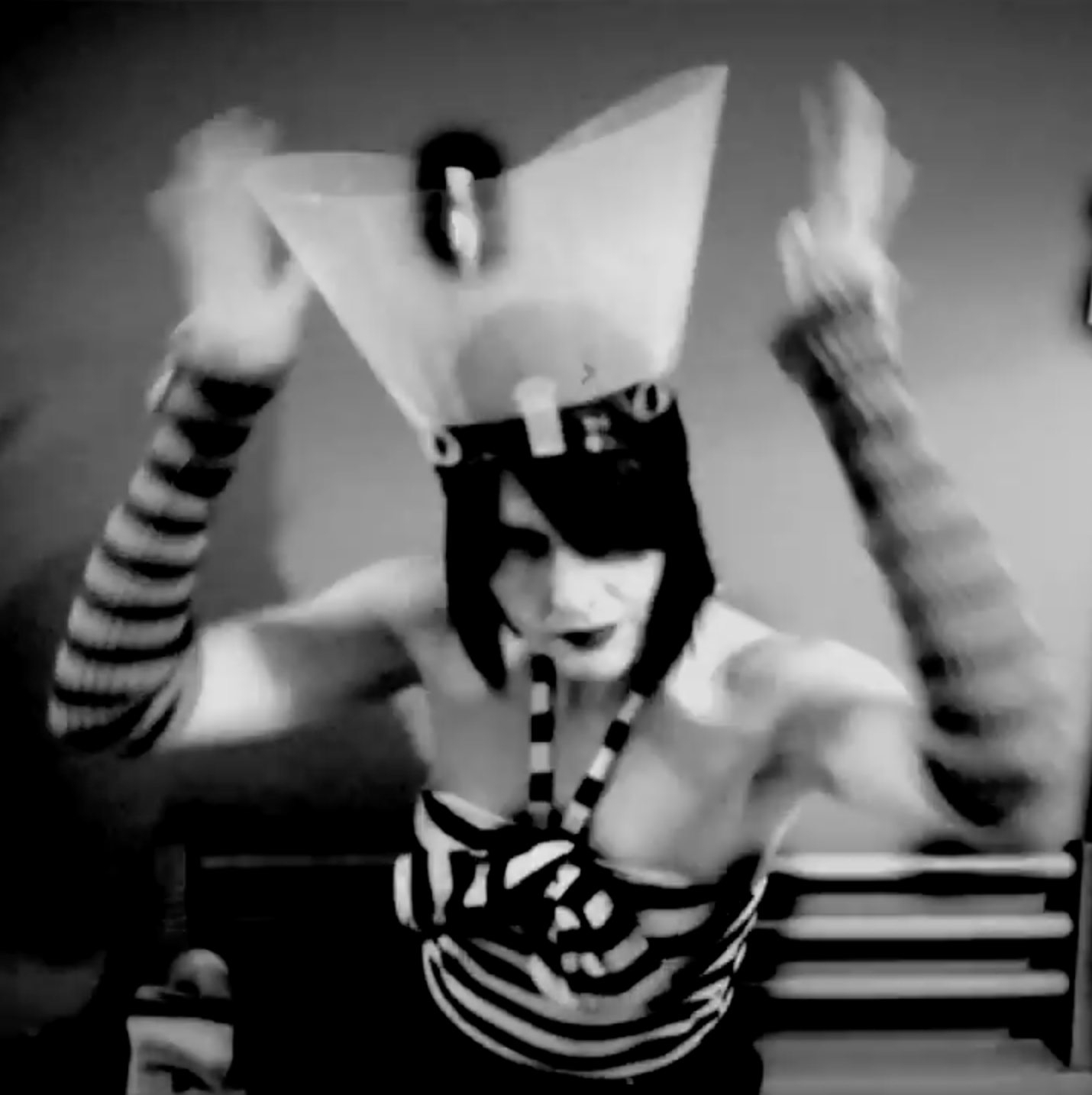
Within the Haus, film and projection are not documentation but portals. Black-and-white fragments — silent, grainy, and sometimes pierced by sudden color — serve as mnemonic incantations.
The Dada Family's fictitious history reads like a found-object epic: the artist's actual ancestor Sigrid Wegner becomes Mama Dada in Weimar Germany — a life in film, burlesque, and projection. In practice, the biography is a convening device: archetypes to be inhabited, roles to be performed, portals to be opened.